Showing posts with label web design. Show all posts

Tuesday, February 5, 2013

Why Your Company Needs Digital Asset Management

Digital Asset Management is a technology that creates digital media central repository. The DAM systems permit one to archive, organize, distribute and access digital content collections like images, video, documents, and some other creative files.
Several businesses and companies are now beginning to realize their digital assets' value and the need for a system to manage them efficiently. DAM has grown partly due to the large quantity of digital assets for interaction daily. As the quantity of digital assets increase, the need to manage them effectively also increases. With the lack of an appropriate system in place for digital asset management, companies go through a number of problems like lost productivity and time, confusion and chaos, and continuous search for good assets or repurchasing/recreating misplaced files. If you asking yourself; "Why does my company need digital asset management?" Here are some of the major benefits of Digital Asset management to a Company.

Why Does My Company Need Digital Asset Management?

Efficiency

In several organizations, a lot of time is spent hunting files on the discs, workstations, email, file servers, and the FTP sites. The best part about DAM is that it offers you an opportunity to rapidly get assets depending on the search question. DAM systems create a centralized asset index to aid in finding assets fast. You just require searching in a single place because this system's database is centralized, and there are instantaneous search results; since the search is conducted on an optimized and indexed database. Other kinds of file searches may just index local volumes rather than network locations, or gradually display the search results since the folders are examined one-by-one for any matching results.
After asset location, more efficiency is acquired because metadata is readily available for comprehending more information concerning the asset. The DAM systems provide prompt file processing choices that enhance efficiency by the conversion of the formats of files or automation of image manipulation jobs.

Cost reduction

Together with significant labor savings, DAM may lower the costs by removing the necessity for the recreation of "lost" assets. Some cost savings may be realized by tracking information on the rights usage in the system to avoid any improper fee related to usage, violations of license, and any compliance issues.

Increase revenue

DAM may aid in monetizing assets by enabling asset licensing or sale. DAM offers a managing image collection method, back-end database for driving eCommerce solution and creative asset and stock photography databases for tracking pricing, regions, licensing terms, and some sale information. The DAM even increases revenue by bringing products to the market much more quickly with enhanced access to images and other documents for product creation and service delivery.

Usage and Brand continuity

A company's popularity is majorly determined by the visual brand. Therefore, it is critical that the visual elements like artwork, logos, and collateral are employed correctly and consistently. DAM systems ensure that the latest and right brand assets become available easily and prevent the use of unapproved or expired brand materials.

Customer service

This may be improved by reducing turnaround time for digital media delivery. This might include automatic brochure generation for potential customers or offering an image download for internal clients in departmental sales.

Monday, January 7, 2013

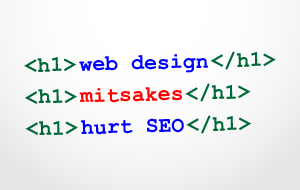
Common Web Design Mistakes That Businesses Make


The design of a website will give a potential client the first impression about the business that owns the site. If it is appealing and functional, the customer will likely proceed to use it, otherwise he or she will turn away out of disappointment or mistrust. Here are the five web design mistakes that most businesses make.

1. Mass Targeting

Businesses are always looking for a way to increase their website traffic and page view but some of them do it in the wrong way by targeting everyone. All websites need to start the design process with a particular kind of visitor in mind. In this regard, the design process should put an emphasis on what that particular visitor or user will find useful and attractive on the website. If the website's design targets different kinds of people, some of its characteristics will displease some people.

2. Failing to involve experts in the design

Some business owners are frugal with their web design and try to minimize all design related costs. They choose to make their own websites even though they lack the necessary knowledge on user experience. In the end, they end up with average website looks and feel that fail to make a good impression.

3. Relying on a unique navigation

When users go to websites, they expect to find navigation links on the menu or on the sidebar. An attempt to make the website fancy by interfering with the universally accepted design framework will only lead to a frustrated user experience. At any time, a user needs to know where he or she is on a website and where to go for the content they seek.

4. Failure to direct users

The most critical factor for a business is the conversion of visitors into clients. A website must compel its visitors to do something while they are on the site. This is a 'call to action'. Most business owners provide rich content about their business but forget to tell the potential customer what they should do after interacting with the content. To forget a call to action message is the same as to let a customer enter a physical store and leave without talking to any staff. Users need direct instructions but instead, most web owners make them work and think too hard to understand the website's design.

5. Poor presentation of content

It is true that the content of a website attracts visitors and keep them returning to the site. A mistake that business owners make is to stuff content instead of arranging it in an easy to digest way. The overcrowding of content makes it hard for people to scan a website and decide whether it is relevant for their needs.

A business website is a huge investment. It needs a proper design to make it serve its intended purpose of providing visitors an opportunity to build relationships with the web owner. By using the above common mistakes for making websites made by businesses as a checklist, you can go on to build relationships with customers in an engaging way. This will result to good prospects for your business.

Wednesday, December 26, 2012

Web Design Strategies for Businesses

The website of a business is like an image of the company. A customer should enjoy visiting a business' website to ensure that they can visit again. Unfortunately not all businesses have websites that are attractive and efficient to give the customers a good impression. This is why a serious business must employ the web design strategies for businesses in order to give the customers the desired impression when they visit the business' website. Her are the strategies that should be employed when designing a website for a business:

1. Make the website simple
A business website is meant to serve all kinds of customers. The website should be simple to ensure that all the customers get the information or services that they need easily. A simple website that can be used by most customers without any problem is important for a business.

2. Pick a theme and stick to it
A business website should have a single theme that can easily be recognized by anyone who has ever visited the site. Changing the theme every time will confuse the customers. A business' website is an image of the business, hence changing it may make the customers feel like they are visiting an entirely different company every time they want something from your business.

3. Use quality font and graphics
Fonts that are appropriate to business should be used in a business website. The font used should look professional. Quality photographs and graphics are also equally important. Irritating pop-ups with bright colors will definitely drive away some customers. Good graphics on the other hand will keep a customer exploring the website for longer.

4. The products should be put on the forefront
The main function of a business website is to market the products. Therefore ensuring that the websites customers see the products is top among the web design strategies for businesses. Showcasing the products offered by a business will help to increase the sales volumes.

5. Easy navigation
It should be easy to navigate around a business website. Therefore the website should be well organized to ensure that the customers get all the contents of the website without struggle. The visitors should be able to 'move' around the website easily.

6. Creativity with the website content
This web design strategy for business is important as far as marketing the business is concerned. The wording of the text used in the website should aim at convincing the customer to purchase goods or services offered buy the business. Creative text on the website will not only keep the customer on the website for a long time but convince them to purchase a product. Open source web content management systems are the suggested method in dealing with this aspect.

7. Checking the spelling of each and every word
Incorrect spelling in a business website may drive the potential customers away. This is because the customers expect to be facing professionals when they need services from your business. Wrong spellings on your website indicate unprofessionalism. Therefore, thoroughly checking spellings is a crucial web design for strategy.
With these web design strategies for businesses in mind, a professional business website can be made by anybody.